Steering clear of the darker arts of football PREMIUM
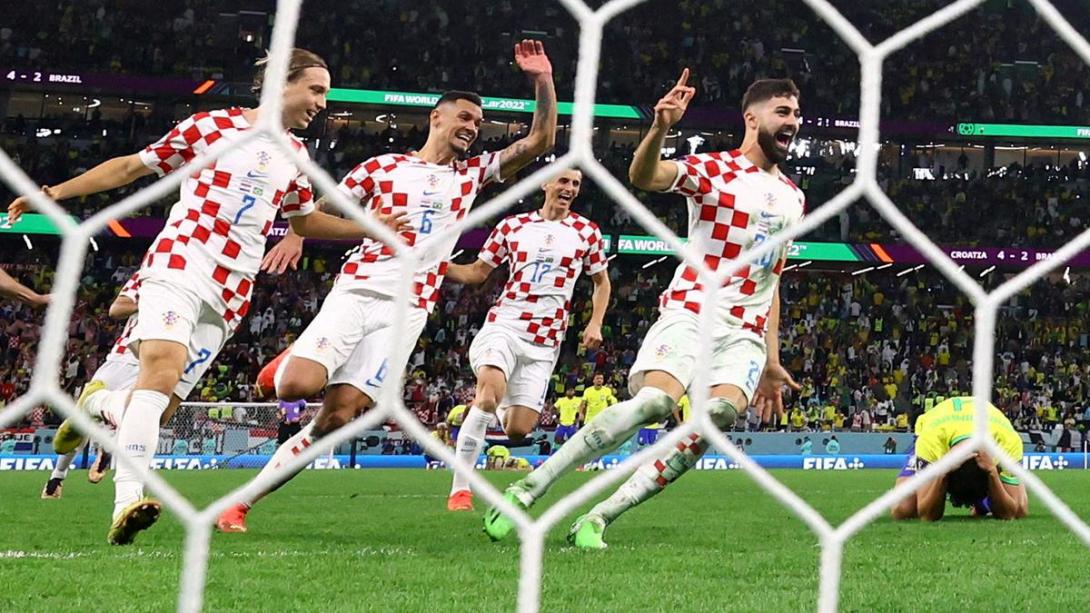
Going into the quarterfinals at the World Cup at Qatar, Croatia and Morocco scored lowest on the ‘Expected Goals’ quotient that has come to dominate so much of modern football analysis. Expected Goals, or xG, is essentially a measure of the number of goals that a team is expected to score based on the quantity and quality of the chances that it creates in a match. With improving technology, xG has become a much-treasured tool both in predicting the score of a football match, and in allowing us to understand how, at times, the ultimate result of a match might be at odds with how the game, in fact, panned out.
In their Round of 16 match against Japan, which they eventually won on a penalty shoot-out, Croatia’s xG was — despite their starting position as favourites — lower than Japan’s at 0.61 to 0.74. Read with other allied statistics, this suggested an even contest, which justifiably was settled on spot-kicks. Morocco’s victory against Spain reflected a similar story, although Spain did create more chances, especially when the game went into extra time. The match ended goalless, but when we look at statistics beyond the xG, it hinted at a rather one-sided game. Spain dominated possession, holding on to the ball for nearly 77% of the match and had more than double the shots that Morocco took on. Yet